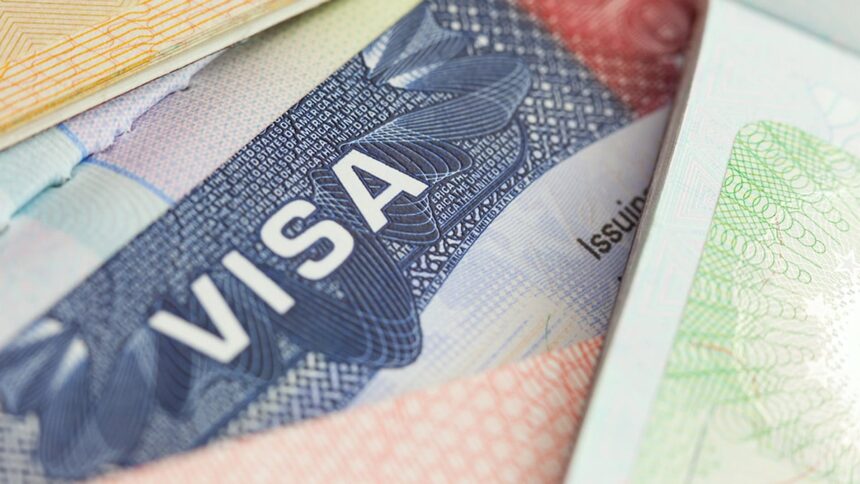
Governance experts are analysing why Kenya sidestepped the latest round of U.S. visa restrictions that affected several other nations. According to analysts, Kenya’s strategic international relationships, ongoing diplomatic engagement, and cooperation on a range of security and economic issues played pivotal roles in avoiding punitive visa actions.
Officials familiar with the discussions say that Kenya’s alignment with key policy priorities valued by the United States, including counter-terrorism cooperation and regional peace efforts, helped maintain visa access. Analysts also attribute part of the decision to sustained openness in bilateral dialogue despite differences over trade, governance, and human rights.
Observers point out that Kenya’s geopolitical importance in East Africa cannot be understated. The country serves as a hub for diplomatic missions, regional mediation initiatives, and major multinational business operations. These roles are often emphasised by Kenyan diplomats when negotiating on sensitive policy matters.
Critics of the visa decisions argued that travel restrictions, while intended to signal displeasure over specific issues, can also unintendedly disrupt people-to-people exchanges, academic partnerships, and business relations. The fact that Kenya was spared suggests that both countries weighed such consequences carefully.
Nonetheless, the conversation about governance concerns, civil liberties, and accountability continues inside Kenya. Civil society organisations and human rights advocates maintain pressure for reforms and transparency that align with global standards.