
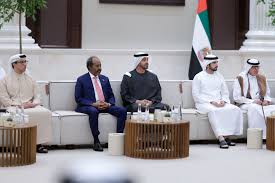
When Somalia’s federal government announced on January 12 that it was annulling every single agreement with the United Arab Emirates—from Berbera port deals to defense pacts—it sent a clear message: no foreign power will treat Mogadishu as a pawn in Gulf rivalries. President Hassan Sheikh Mohamud framed the move as a defense of sovereignty against UAE actions that undermined national unity, including alleged support for parallel authorities and influence in Somaliland.
This is a necessary assertion of independence in a country long exploited by outsiders. The UAE’s strategic footprint in the Horn has often prioritized Abu Dhabi’s interests over Somali cohesion, and cancelling these deals reclaims agency at a critical moment.
Yet boldness comes with risks. Counter-terrorism operations against al-Shabaab could suffer without Emirati training and logistics. Economic fallout from lost port investments may hit hard as Somalia limps toward delayed 2026 elections. The African Union’s supportive communique is welcome, but Mogadishu must now urgently diversify partnerships—perhaps leaning harder on Turkey, Qatar, or even China—without falling into new dependencies.
Somalia’s leaders have chosen dignity over convenience. The international community should back that choice with concrete support, not platitudes.

