
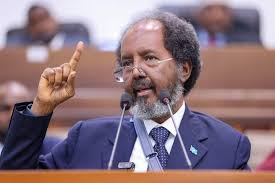
Somalia’s federal government continues to face challenges asserting authority amid persistent political tensions with federal member states. Disagreements over power-sharing, resource control, and decision-making authority remain unresolved, complicating governance at the national level.
Federal leaders argue that a strong central government is necessary to stabilise the country and represent Somalia internationally. Regional administrations, however, insist on greater autonomy, citing constitutional provisions and historical marginalisation.
These tensions have repeatedly stalled political processes, including appointments, security coordination, and electoral preparations. Analysts warn that without clearer institutional arrangements, Somalia risks prolonged political paralysis.
Efforts to convene consensus forums have yielded limited progress, as trust between political actors remains fragile. The balance between federal authority and regional autonomy continues to define Somalia’s political trajectory.

