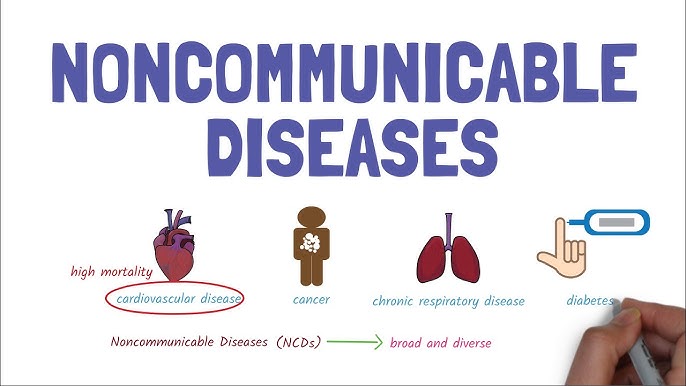
Non-communicable diseases are increasingly shaping Kenya’s public health landscape, placing growing pressure on households, health systems, and the national economy. Conditions such as diabetes, hypertension, cancer, and heart disease now account for a significant share of illness and death across the country, cutting across age, income, and geography.
Unlike infectious diseases, which often have clear treatment timelines, non-communicable diseases demand lifelong management. This reality has forced many families into long-term financial strain. Regular medication, diagnostic tests, and specialist visits quickly add up, particularly for households without comprehensive insurance coverage. For many Kenyans, healthcare costs are now competing directly with food, education, and housing expenses.
Urbanization and lifestyle changes are major contributors. Diets high in processed foods, reduced physical activity, increased alcohol consumption, and tobacco use have become more common, especially in cities and peri-urban areas. At the same time, improved life expectancy means more people are living long enough to develop chronic conditions that require sustained care.
Rural communities face a different challenge. Access to diagnostic services remains limited, resulting in late detection and more severe complications. Patients often travel long distances to referral hospitals, increasing costs and delaying treatment. These delays reduce survival rates and worsen quality of life.
The economic impact is also evident at the national level. Productivity losses due to illness, early retirement, and premature deaths are quietly eroding gains made in other development sectors. Employers report higher absenteeism, while households exhaust savings and sell assets to finance care.
Health experts argue that prevention must take center stage. Early screening, public education on lifestyle choices, and community-based interventions could significantly reduce future disease burden. At the same time, Kenya’s healthcare system must adapt by integrating chronic disease management into primary care facilities rather than relying heavily on hospitals.
Without decisive policy action, non-communicable diseases risk becoming one of Kenya’s most costly development setbacks, affecting not only health outcomes but long-term economic resilience.