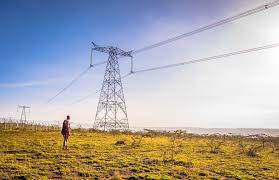
Ethiopia is accelerating efforts to expand electricity generation and transmission as part of its strategy to support industrial growth and economic transformation. Government officials say increasing power supply is essential to attract investment, improve productivity, and expand access to electricity nationwide.
The country has made significant progress in recent years, with power generation increasingly driven by renewable sources, particularly hydropower. Officials note that expanding generation capacity alone is not enough and that upgrading transmission lines and reducing power losses remain key priorities.
Manufacturing zones and industrial parks have been identified as major beneficiaries of improved power supply. Frequent outages in the past disrupted production and discouraged investors, but authorities say reliability has improved in several regions.
Despite progress, challenges persist. Rapid urbanisation and population growth continue to drive demand, placing pressure on existing infrastructure. Rural electrification also remains uneven, with some communities still relying on off-grid solutions.
Energy experts argue that diversifying power sources, including wind and solar, will be critical to ensuring long-term stability. They also stress the need for regulatory reforms and private sector participation to improve efficiency.
The government maintains that sustained investment in power infrastructure will play a central role in Ethiopia’s ambition to become a regional manufacturing and energy hub.